Collection: Visual Timer for Kids Australia
Visual timers designed for children. Help kids understand time, manage transitions, and build independence. Silent operation, colourful designs, and durable construction. Perfect for classrooms, homes, and therapy sessions. All timers ship with free tracked delivery across Australia.
Why Visual Timers Help Kids
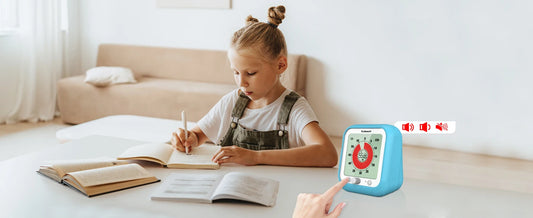
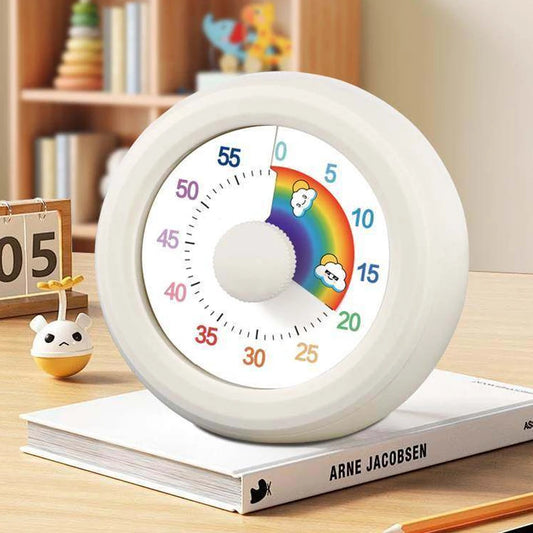
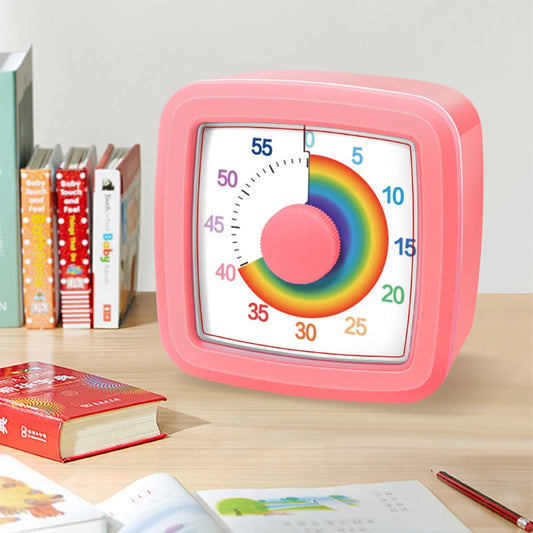
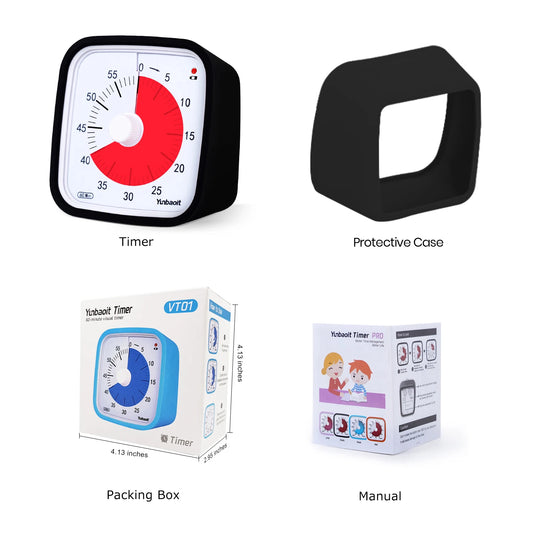
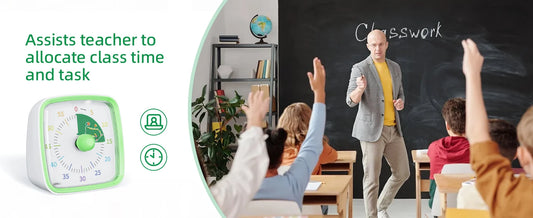
Children respond better to visual information than verbal time warnings. A timer showing a shrinking coloured disc makes 'time remaining' concrete and understandable, even for very young children.
Browse more: ADHD Timers | Classroom Timers | Student Gift Timers
Choosing a Visual Timer for Your Child
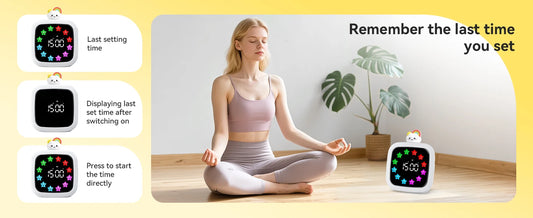
By age: for ages 3–6, pick a character or night-light design — the timer should feel like a friendly object, not a punishment. For ages 6–12, a classic 60-minute disc timer works for homework, screen-time limits and morning routines. Teens graduate naturally to a flip cube for study sessions.
By routine: shrinking-disc timers shine at transitions — getting dressed, pack-away time, "ten more minutes of play". Night-light models double as a sleep trainer: the light tells kids whether it's still sleep time. For homework-age children, pairing the timer with short, timed bursts (10–15 minutes, then a break) builds focus without battles; the same principle behind the Pomodoro Method adults use.
Every timer here runs silently (no anxious ticking), has an adjustable or optional end alert, and is built to survive being carried around the house. Free tracked shipping across Australia — and if it's for a classroom, see our classroom visual timers.
FAQ
What age are visual timers suitable for?
From about age 3. Younger children respond best to character and colour-based designs; from school age, a standard 60-minute disc timer is the most versatile.
Do visual timers help with screen-time limits?
Yes — a visible countdown makes the limit concrete and impersonal. The timer ends the session, not you, which noticeably reduces pushback.
Are they suitable for autistic children or kids with ADHD?
Visual timers are a standard support tool for both: they make remaining time visible and predictable, easing transitions and reducing time-related anxiety. Many families use them on advice from occupational therapists.