Collection: Physical Pomodoro Timers
Pomodoro Method Timers — Authentic Tools for the Authentic Technique
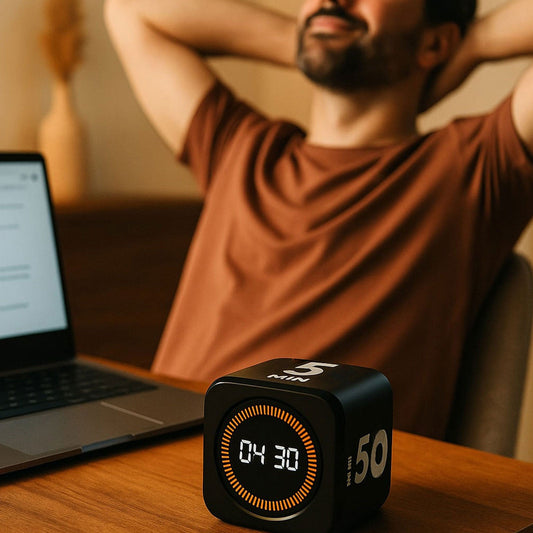
The Pomodoro Method is one of the world's most widely adopted productivity techniques — simple, evidence-backed, and highly effective. At its heart is a timer. Not an app, not a software tool, but a physical timer that sits on your desk and holds you accountable to each 25-minute focus session.
What Is the Pomodoro Method?
Developed by Francesco Cirillo in the late 1980s, the Pomodoro Technique is a time management system based on alternating focused work intervals with rest breaks:
-
Plan — choose a single task to work on
-
Set the timer — 25 minutes (one "Pomodoro")
-
Work — focus exclusively on that task until the timer rings
-
Rest — 5-minute break (mandatory — don't skip it)
-
Repeat — after 4 Pomodoros, take a 20-30 minute longer break
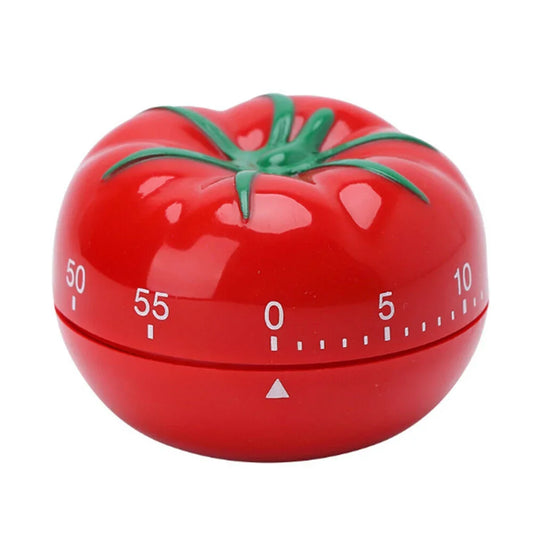
The name "Pomodoro" comes from the tomato-shaped (pomodoro in Italian) kitchen timer Cirillo used as a student. That simple tomato timer gave rise to a global productivity movement.
Why Physical Timers Beat Apps for the Pomodoro Method
Pomodoro apps are widely available and free. So why use a physical timer? The reasons are compelling:
-
Apps create temptation — your phone is also where Instagram, messages, and news live. A physical timer keeps your phone in your pocket.
-
Physical ritual matters — winding or flipping a timer is a deliberate act. It signals to your brain that focus time has begun. This ritual effect is a meaningful psychological trigger.
-
No battery anxiety — a mechanical timer never runs out of charge mid-session
-
Silent operation option — physical timers often offer completely silent countdown, unlike apps with background notification sounds
-
Desk presence — a timer on your desk provides constant visual accountability; your phone in your pocket does not
-
Works everywhere — libraries, cafes, planes, areas without phone signal
The Pomodoro Method for Different Professions
Writers: Each Pomodoro = 500-750 words of draft writing. No editing during the session — just output. The constraint of the timer overcomes writer's block.
Programmers: Code in 25-minute sessions; review and test during breaks. Context switching is reduced; deeper focus on each module.
Students: One Pomodoro per topic section. Four Pomodoros = two hours of focused study. Tracks hours studied more accurately than "I studied all day."
Managers: Process email in two Pomodoros per day. Batch administrative tasks. Protect deep work time from meeting creep.
Creatives: Design, photography, illustration — timed sessions build creative stamina and protect against perfectionism paralysis.
Frequently Asked Questions
- What is the best Pomodoro timer to buy?
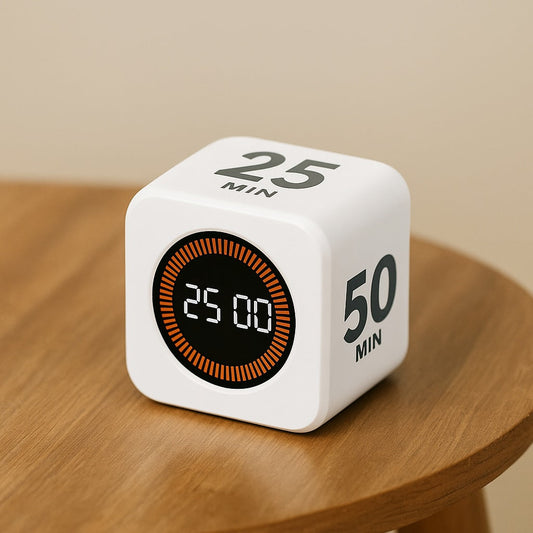
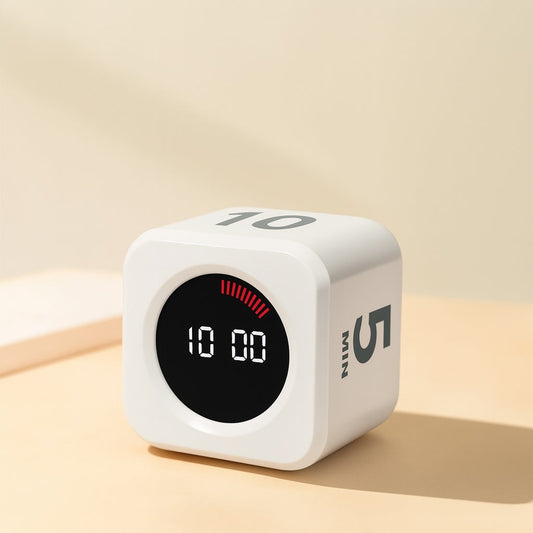
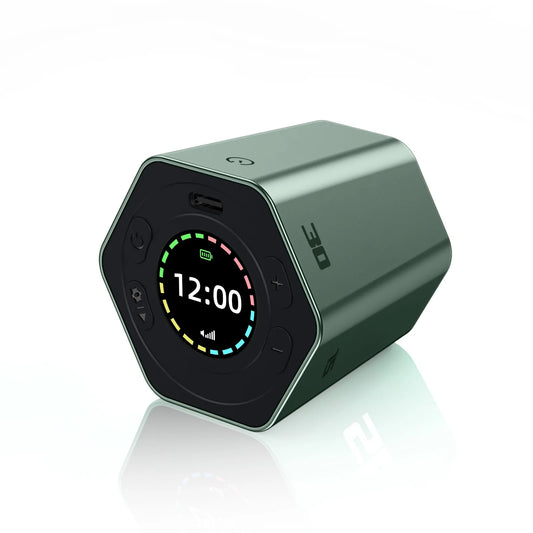
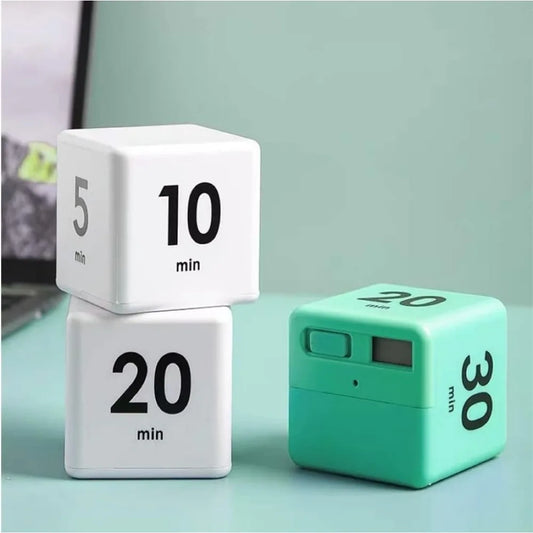
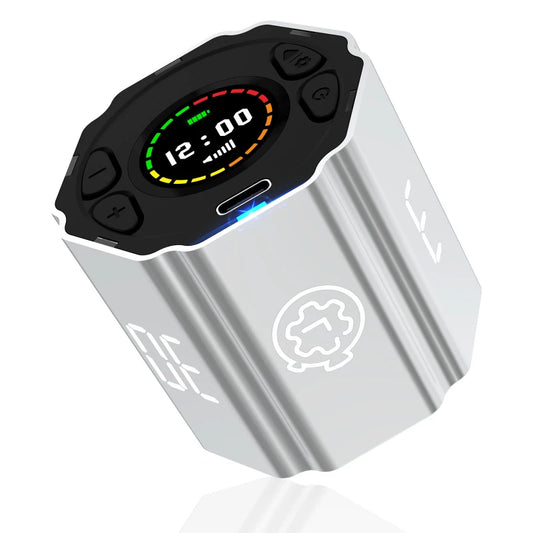
- The best Pomodoro timer is the one that suits your work style. A classic mechanical tomato timer for authenticity; a visual timer for distraction-free progress tracking; a cube timer for sleek simplicity.
- Is the Pomodoro Technique scientifically proven?
- Multiple studies support the core principles — timed work intervals, mandatory breaks, and single-tasking all have strong evidence bases in cognitive psychology.
- What if I can't stop after 25 minutes?
- Stop anyway. The break is not optional — it's what makes the next Pomodoro effective. Rest is a feature, not a bug.
- Can I use longer than 25-minute Pomodoros?
- Yes. Many experienced practitioners use 50-minute sessions. Experiment with 25, 30, 45, and 50 minutes to find your optimal focus interval.
- Do I need to track my Pomodoros?
- Tracking is recommended but not mandatory. Counting Pomodoros gives you data on your productivity patterns and creates satisfying progress markers.